SPA, SPZ, SPB and SPC pulleys are standardized machine components, but the procurement conversation changes by market. Terminology, installed machinery, commonly served industries and documentation references can all affect how a replacement or OEM RFQ is written.
These pages focus on buyer decisions rather than generic country descriptions. The engineering starting point remains the same: identify the belt section, pitch/datum diameter, groove count, shaft interface and operating duty.
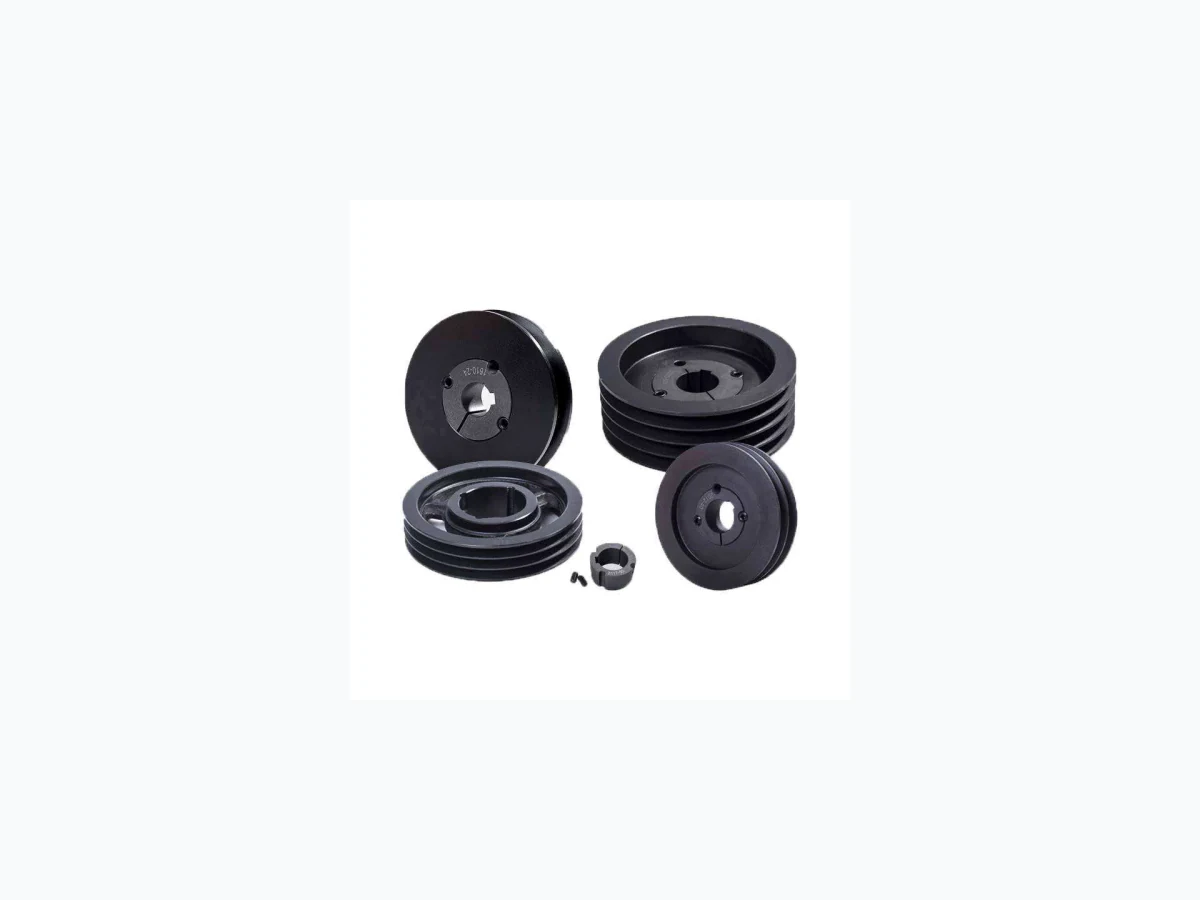
Priority markets
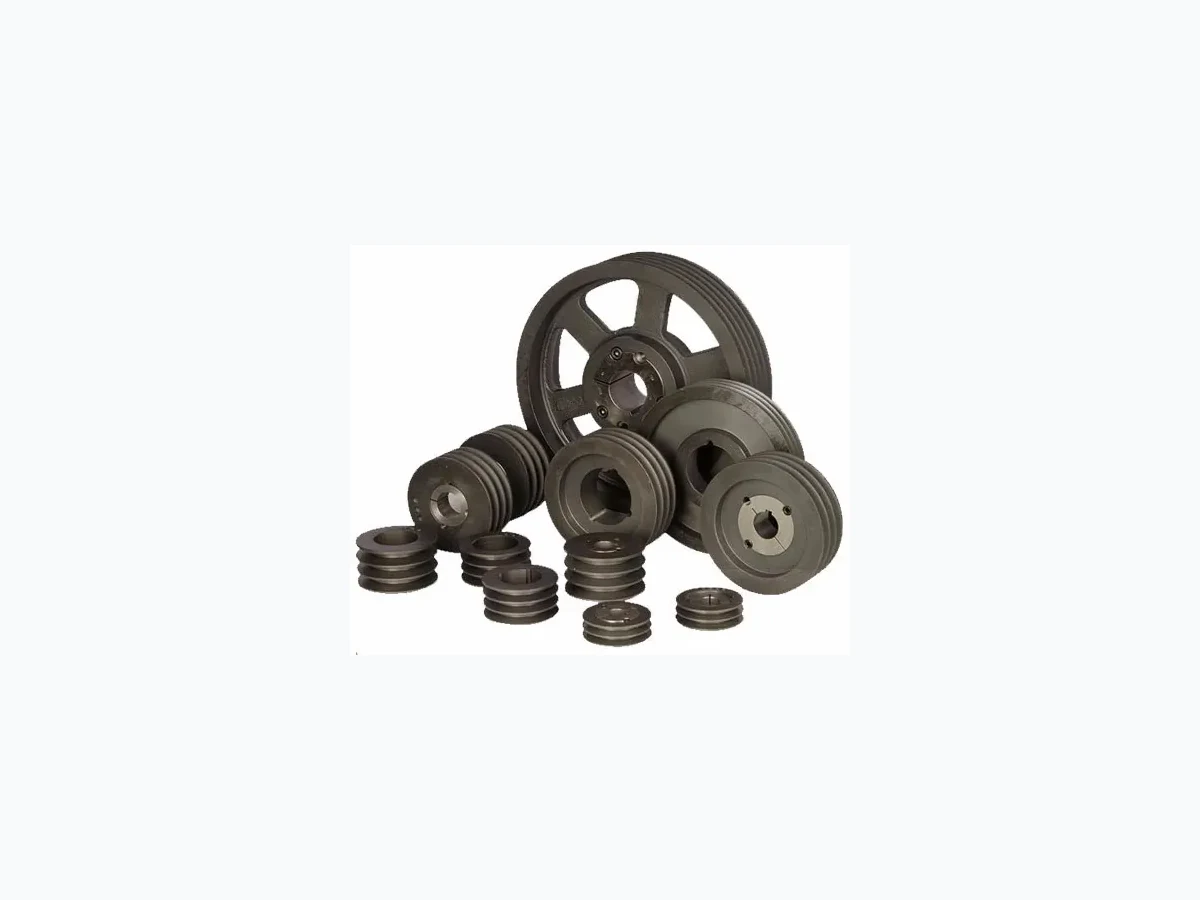
Germany
DIN/ISO terminology, mechanical engineering, agriculture, pumps, compressors and MRO dimensional matching.
United States
“Sheave” terminology, imported European machinery, HVAC, agriculture and replacement measurement.
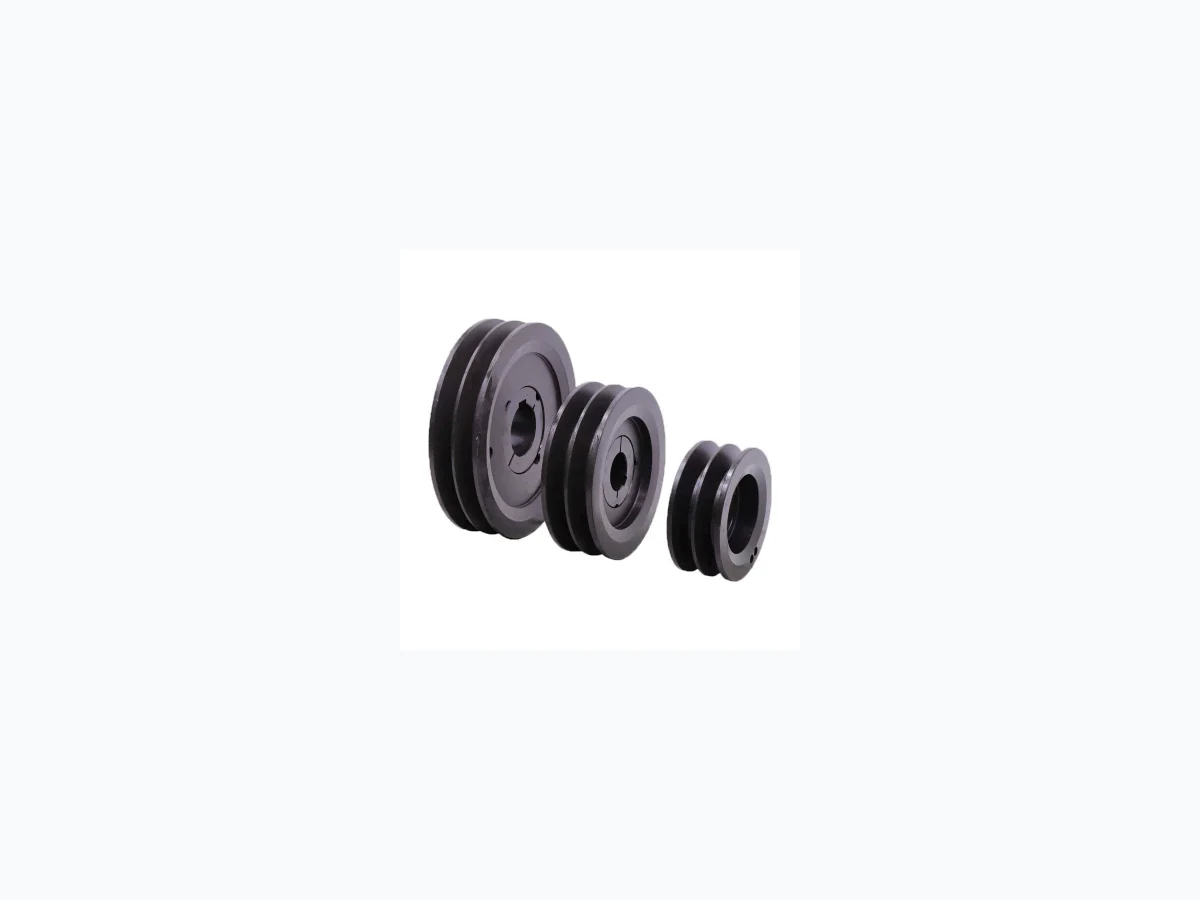
Japan
Dimension-focused replacement work, JIS context and imported European equipment.
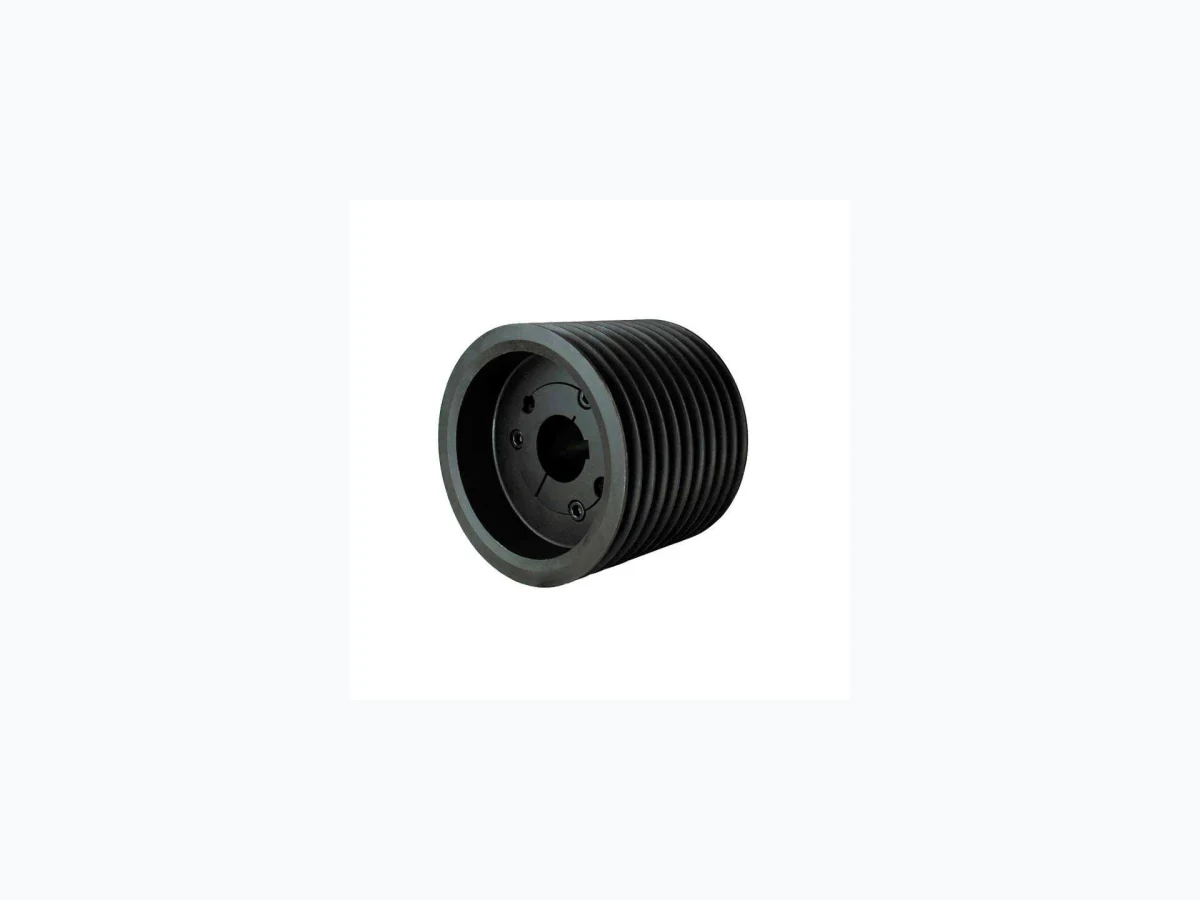
India
Agriculture, pumps, textiles, stone/building materials and varied shaft-bore requirements.
Italy
Textile, packaging, woodworking, food-processing, pump and compressor machinery.
Information that travels well across markets
| RFQ field | Why it reduces ambiguity |
|---|---|
| Existing model / drawing | Preserves the original machine reference and standard context. |
| Belt section | Distinguishes SPA/SPZ/SPB/SPC and other groove systems. |
| Pitch/datum diameter and outside diameter | Separates speed-ratio geometry from guard clearance. |
| Groove count | Defines the pulley width and matched belt set. |
| Shaft diameter / keyway / bush | Controls the actual mounting interface. |
| Driver and driven rpm | Provides the required ratio and flags higher-speed duty. |
| Application and environment | Explains shock, dust, washdown, continuous duty or service-access constraints. |
Regional terminology matters, but geometry decides the replacement
United States buyers may search for a “sheave”, German drawings may cite DIN terminology, and Japanese equipment may reference JIS. Those terms help identify the context, but they do not replace dimensional verification. Keep the original belt marking and machine drawing with the RFQ wherever possible.
Send the machine reference with the destination country
Email [email protected] with the pulley data, quantity and destination. Transport or documentation requirements can then be discussed for the specific enquiry rather than assumed on the public page.